Maryland Property Taxes & Local Real Estate Regulations: What Homeowners Should Know (2026 Guide)
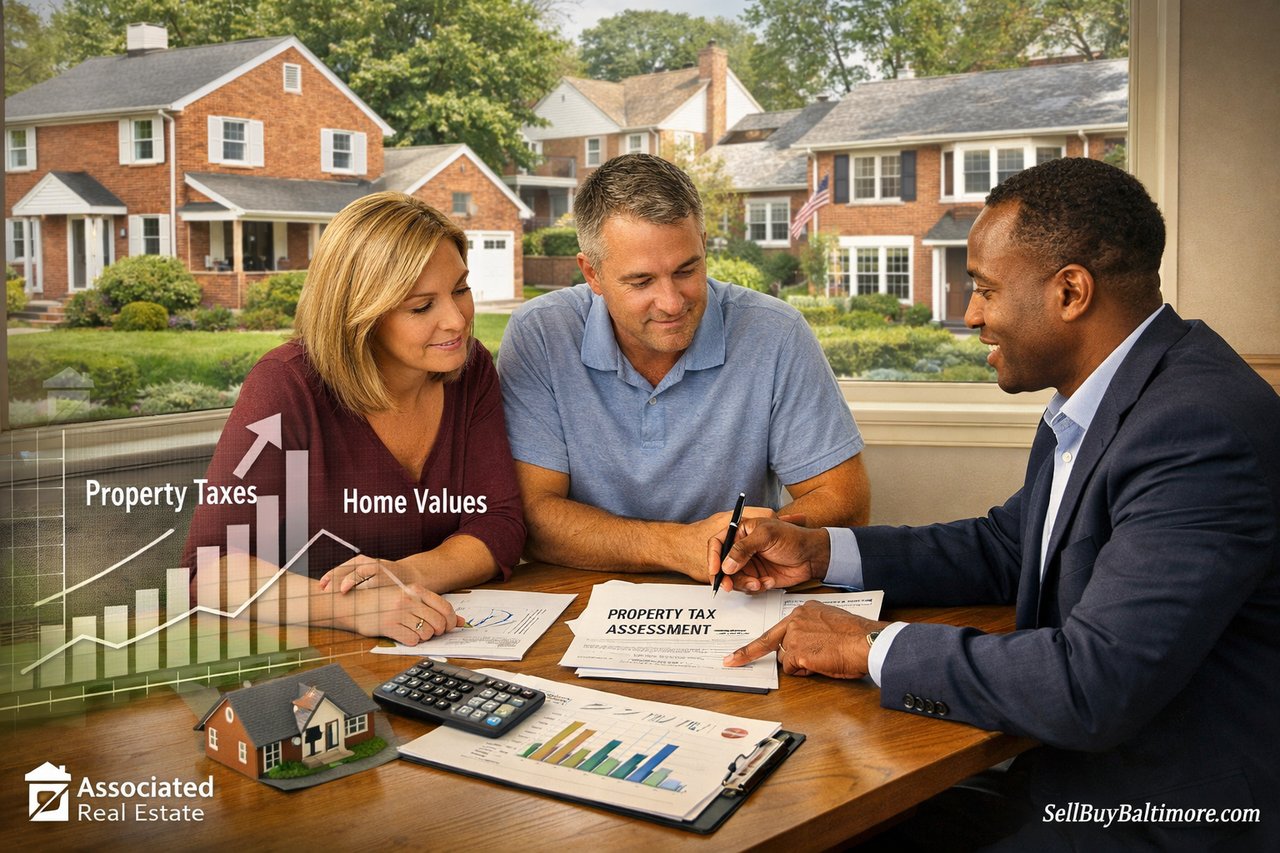
Understanding property taxes and local real estate regulations is an important part of owning property in Maryland. Whether you own a home in Catonsville, Randallstown, Owings Mills, or anywhere in Baltimore County, property taxes and local regulations can influence housing costs, home values, and the buying or selling process.
This guide explains how Maryland property taxes work, how homes are assessed, what local regulations affect homeowners, and what buyers and sellers should understand before making real estate decisions.
How Property Taxes Work in Maryland
Property taxes in Maryland are based on the assessed value of a property, which is determined by the state assessment authority, the Maryland Department of Assessments and Taxation.
Local governments, including counties and municipalities, then apply their local tax rates to that assessed value.
Basic Property Tax Formula
Assessed Property Value × Local Tax Rate = Annual Property Tax
For example:
-
A home assessed at $350,000
-
Baltimore County property tax rate approximately 1.10%
Estimated annual property tax:
$350,000 × 1.10% = $3,850 per year
These taxes fund essential public services such as:
-
Public schools
-
Road maintenance
-
Police and fire services
-
Libraries and parks
-
Local government operations
How Often Homes Are Assessed in Maryland
Maryland reassesses property values every three years through the Maryland Department of Assessments and Taxation.
Instead of applying the full value increase at once, the state phases increases in gradually.
The “Triennial Assessment Cycle”
If your home's value increases by $30,000 during reassessment:
-
The increase is divided over three years
-
Only one-third is applied per year
This system helps prevent sudden spikes in property taxes.
Baltimore County Property Tax Rates
In Baltimore County, property tax rates typically fall around 1.10% of assessed value, though the exact rate may change slightly each fiscal year.
Additional local taxes may apply depending on the municipality.
Example Annual Property Taxes
| Home Value | Estimated Annual Taxes |
|---|---|
| $250,000 | ~$2,750 |
| $350,000 | ~$3,850 |
| $500,000 | ~$5,500 |
Homes in communities like:
-
Catonsville
-
Randallstown
-
Owings Mills
generally follow the Baltimore County tax structure.
Maryland Homestead Tax Credit
Maryland offers a major tax protection called the Homestead Tax Credit.
This program limits how much taxable assessments can increase each year for owner-occupied homes.
The Homestead Credit cap in Maryland is 10%, although many counties set lower limits.
Benefits include:
-
Prevents dramatic tax increases
-
Protects long-term homeowners
-
Stabilizes housing costs
Homeowners must apply once for the credit, but it remains active as long as the home remains a primary residence.
Property Tax Credits Available in Maryland
Several tax relief programs exist for eligible homeowners.
Common Maryland Property Tax Credits
Homeowners Tax Credit
-
Available for income-qualified households.
Senior Tax Credit
-
Some counties offer additional relief for older homeowners.
Disabled Veteran Property Tax Exemption
-
Provides significant tax relief for qualifying veterans.
These programs are administered through the Maryland Department of Assessments and Taxation.
Local Real Estate Regulations in Maryland
Property ownership in Maryland also involves several regulations that affect buying, selling, and maintaining property.
1. Property Disclosure Laws
Maryland requires sellers to complete either:
-
Property Disclosure Statement
-
Property Disclaimer Statement
These forms disclose known material defects in a property.
This requirement is governed by Maryland real estate law and enforced through the Maryland Real Estate Commission.
2. Property Inspections
Home inspections are common during real estate transactions.
Typical inspection issues in Baltimore-area homes may include:
-
Roofing and structural conditions
-
Electrical and plumbing systems
-
Older HVAC systems
-
Moisture or foundation concerns
Many buyers also conduct additional inspections such as:
-
Termite inspections
-
Radon testing
3. Local Permit Requirements
Major renovations often require permits issued by local government departments.
In Baltimore County, permits may be required for:
-
Deck construction
-
Electrical upgrades
-
Plumbing work
-
Structural renovations
-
Finished basements
Failure to obtain proper permits can create complications during a home sale.
4. Rental Licensing
Property owners who rent homes in Baltimore County typically must obtain a rental license.
This process may include:
-
Property inspection
-
Lead safety compliance
-
Registration with the county
These regulations are designed to ensure safe housing conditions.
How Property Taxes Impact Home Values
Property taxes can influence the housing market in several ways.
Factors Buyers Often Consider
-
Total monthly housing cost (mortgage + taxes)
-
Local school funding and community services
-
Long-term affordability
-
Future resale value
In many parts of Baltimore County, property taxes remain relatively moderate compared to other major metropolitan areas in the Northeast.
Should Property Taxes Affect Your Decision to Buy or Sell?
Property taxes are one piece of the larger financial picture.
Buyers and sellers often consider:
-
Mortgage rates
-
Local housing inventory
-
Neighborhood demand
-
Long-term market trends
Understanding property taxes and local regulations helps homeowners make informed decisions and avoid surprises during a real estate transaction.
Frequently Asked Questions About Maryland Property Taxes
How much are property taxes in Maryland?
Property tax rates vary by county, but in Baltimore County they are typically around 1.10% of assessed property value.
How often are homes reassessed in Maryland?
Homes are reassessed every three years through the Maryland Department of Assessments and Taxation.
What is the Homestead Tax Credit?
The Homestead Tax Credit limits how much taxable property assessments can increase each year for owner-occupied homes.
Do property taxes affect home affordability?
Yes. Property taxes are included in the total monthly cost of homeownership and can influence both affordability and purchasing decisions.
Maryland Property Tax Takeaway
Maryland’s property tax system is designed to provide stable funding for local services while protecting homeowners from sudden tax increases through programs like the Homestead Tax Credit.
For homeowners in the Baltimore metro area—including communities like Catonsville, Randallstown, and Owings Mills—understanding property taxes and local regulations can help make buying, selling, or owning a home a smoother process.
Associated Real Estate – Ted Coates
Serving homeowners and buyers throughout the Baltimore Metro area with local market insight and practical real estate guidance.
Learn more about Baltimore-area housing trends and neighborhood guides at SellBuyBaltimore.com.